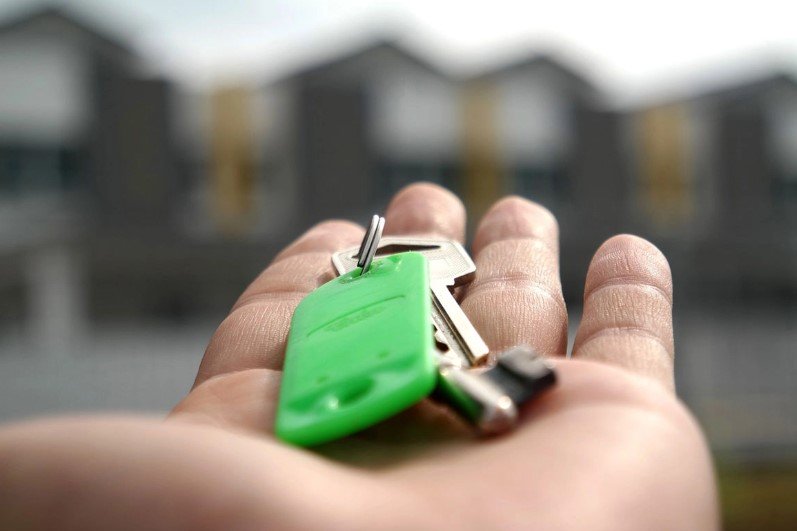
Buying an apartment before winter allows you to identify defects precisely when the heating system, windows and exterior walls are exposed to cold temperatures.
Lukewarm radiators, draughts, condensation and damp patches do not always indicate an expensive repair. However, before paying a deposit, you should determine whether the problem lies within the apartment itself, the shared building systems or the building as a whole.
A comfortable temperature during a single viewing does not prove that an apartment is easy to heat. The seller may turn up the heating, switch on the air conditioning or use a portable heater shortly before your arrival. That is why it is important to check utility bills, inspect every room and speak with the building manager or neighbours, reports the Nekretnine.rs property portal.
Buying an Apartment Before Winter Starts with Checking the Heating and Utility Bills
In an apartment with central heating, touch all the radiators and check whether they heat up evenly. A radiator that is cold at the bottom or top may indicate air in the system, poor circulation, a closed valve or sediment buildup. However, the cause may also lie within the building's shared heating system.
Inspect the joints, valves and pipes. Signs of corrosion, dark marks, a damp floor or a towel placed underneath a valve may reveal a leak that has been temporarily concealed. Ask whether the vertical pipework has been replaced and whether residents on the same floor have experienced similar problems.
For an apartment with its own heating system, check the age of the boiler, its pressure gauge reading and the date of its last service. If gas is used, request maintenance records for the boiler and chimney. If the apartment is electrically heated, find out whether it uses storage heaters, air-conditioning units or an electric boiler, and ask to see utility bills from the previous winter.
One month's bill is not enough. Energy consumption depends on the weather, the occupants’ habits and the number of people living in the apartment. You should therefore review several winter bills and check exactly which costs they cover.
A Window May Look Perfect but Still Let Cold Air In
When viewing an apartment before winter, draughts are easiest to detect when the windows are closed. Run your hand along the seal between the window sash and frame, especially near the bottom and around the hinges. A simple sheet of paper trapped between the sash and frame should not pull out easily where the window seals properly.
Open and close every window sash. Check whether the handle sticks, the sash has dropped, the hinges squeak or the rubber seals feel stiff and cracked. Inspect the roller-shutter boxes as well, since poorly sealed boxes can let in more cold air than the windows themselves.
Water on the inside of the glass may result from high indoor humidity and insufficient ventilation, but it can also be caused by a cold window surface. Fogging or moisture between the two panes of glass more often indicates that the insulating glass unit has lost its seal. Neither of these signs should automatically be attributed solely to poor window quality without checking the heating and ventilation conditions.
Cold Corners and a Fresh Coat of Paint Deserve Closer Inspection
Inspect the junctions between ceilings and exterior walls, the corners around windows and the areas behind large wardrobes. Apartments on the ground floor, on the top floor or next to unheated stairwells, basements, garages or attics require particular attention.
Dark spots, blistering paint, flaking plaster and a musty smell may indicate condensation, water ingress or a thermal bridge. A freshly painted corner does not necessarily mean that a problem has been concealed, but it is a good reason to ask when the apartment was painted and why the rest of the room was not renovated.
A thermal camera can reveal colder areas of a wall, but its readings are not a definitive diagnosis. Results are affected by the outdoor temperature, how well the apartment has been heated, humidity levels and the amount of time that has passed since the heating was switched on.
The Building Façade Is a Shared Part of the Property
Under the Law on Housing and Building Maintenance, the façade, insulation and exterior wall finish are considered common parts of the building. Buyers should therefore speak to someone other than the seller.
Ask the building manager whether water ingress has been reported, whether façade or roof repairs are planned, how much money is available in the building's capital maintenance fund and whether additional contributions from residents have already been approved. A new owner may have to contribute to repair costs shortly after purchasing the apartment, even if the decision to carry out the work was made by the residents’ association before the purchase.
Minor cracks in the exterior render are not the same as serious structural damage. Wide, diagonal or recurring cracks should be inspected by a qualified building professional before you buy.
View the Apartment on a Cold Day and Take Your Time
The most thorough approach to buying an apartment before winter involves at least two viewings. A daytime visit allows you to inspect the façade, roof, gutters and amount of natural light, while an evening visit shows how the heating performs as temperatures drop.
During the second viewing, check whether all rooms remain equally warm and whether condensation has appeared on the windows or walls. A conversation with a neighbour may reveal problems involving pipes, the roof or the façade that the owner of an individual apartment cannot resolve independently.
If the building has an energy performance certificate, check its energy rating and the recommended measures for improving its performance. This document does not replace an inspection of the specific apartment, but it provides information about the building's energy efficiency. The Ministry of Construction, Transport and Infrastructure publishes the applicable rules governing the certificate's contents.
Before Paying a Deposit, Distinguish Between a Minor Repair and a Building-Wide Problem
A worn window seal or a faulty radiator valve is not the same as an uninsulated façade, water ingress from the roof or a problem with shared building installations. The first types of defect can often be repaired relatively easily, while the latter depend on the decisions and financial resources of the building's residents’ association.
For this reason, buying an apartment before winter should never end with a verbal promise that “everything will be fixed.” Photograph any defects you discover, establish the likely repair costs and, when the issues affect your purchasing decision, clearly include them in negotiations, the preliminary purchase agreement or the conditions under which the deposit will be paid.
 Privreda
 Energetika
 Turizam
 Poljoprivreda
 ICT
ICT Prehrana