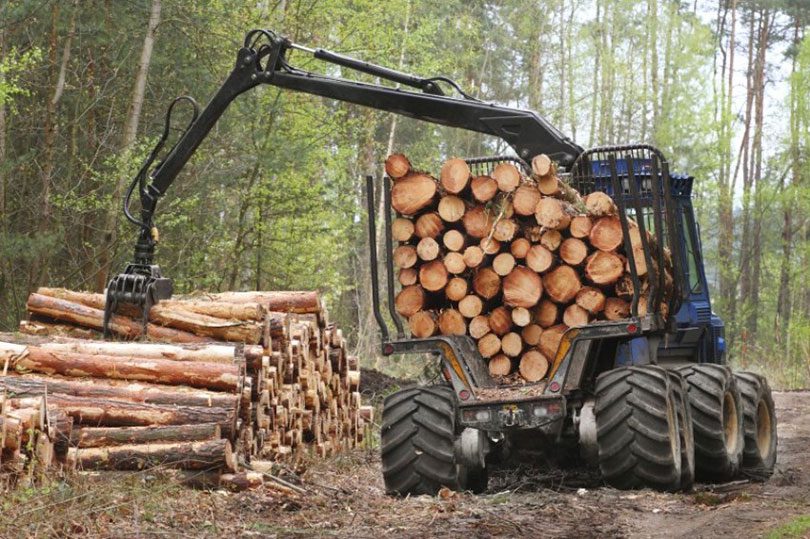
The Republic of Srpska is among the few regions in the area that possess significant and long-term sustainable forest resources. This places forestry and the wood industry among the most stable and promising sectors of the domestic economy. Although this sector is often viewed primarily through the lens of raw material supply, its true economic potential is far broader and more complex.
A large portion of the territory of the Republic of Srpska is covered by forests, creating a natural foundation for the development of complete production chains within the wood industry. The quality of timber, favorable climatic conditions, and decades-long tradition of wood processing have enabled this sector to become one of the key drivers of exports. Products from the Republic of Srpska have for years been reaching demanding European Union markets, where reliability of delivery and the quality of finished products are highly valued.
The wood industry of the Republic of Srpska employs a significant number of people, particularly in smaller communities, giving it an important social role as well. In many local areas, companies from this sector are the main drivers of economic activity, and their development directly affects the demographic and economic stability of these regions. For this reason, forestry is not merely a resource-related issue, but also a matter of regional development.
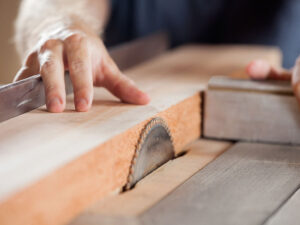
In recent years, increasing attention has been paid to the need for further modernization of the wood industry. Instead of exporting raw materials and semi-finished products, the focus is gradually shifting toward finished products with higher added value. Furniture, ready-made components, and products aligned with modern market trends represent areas in which the Republic of Srpska can achieve additional competitive advantages.
The investment potential of forestry and the wood industry in the Republic of Srpska is particularly evident in the context of sustainable development. The European market is increasingly demanding products originating from responsibly managed forests and meeting environmental standards. This opens new opportunities for domestic producers, as well as for foreign investors seeking reliable partners and stable resources.
Experts emphasize that the future of the wood industry in the Republic of Srpska depends on a strategic approach. Investments in technology, design, and branding, together with clearly defined forest management policies, can position this sector as one of the key pillars of economic growth. In this way, forestry and the wood industry have the potential to evolve from a “quiet strength” into one of the most recognizable development assets of the Republic of Srpska.
 Economy
 Energetics
 Tourism
 Agriculture
 ICT
ICT Food
Food